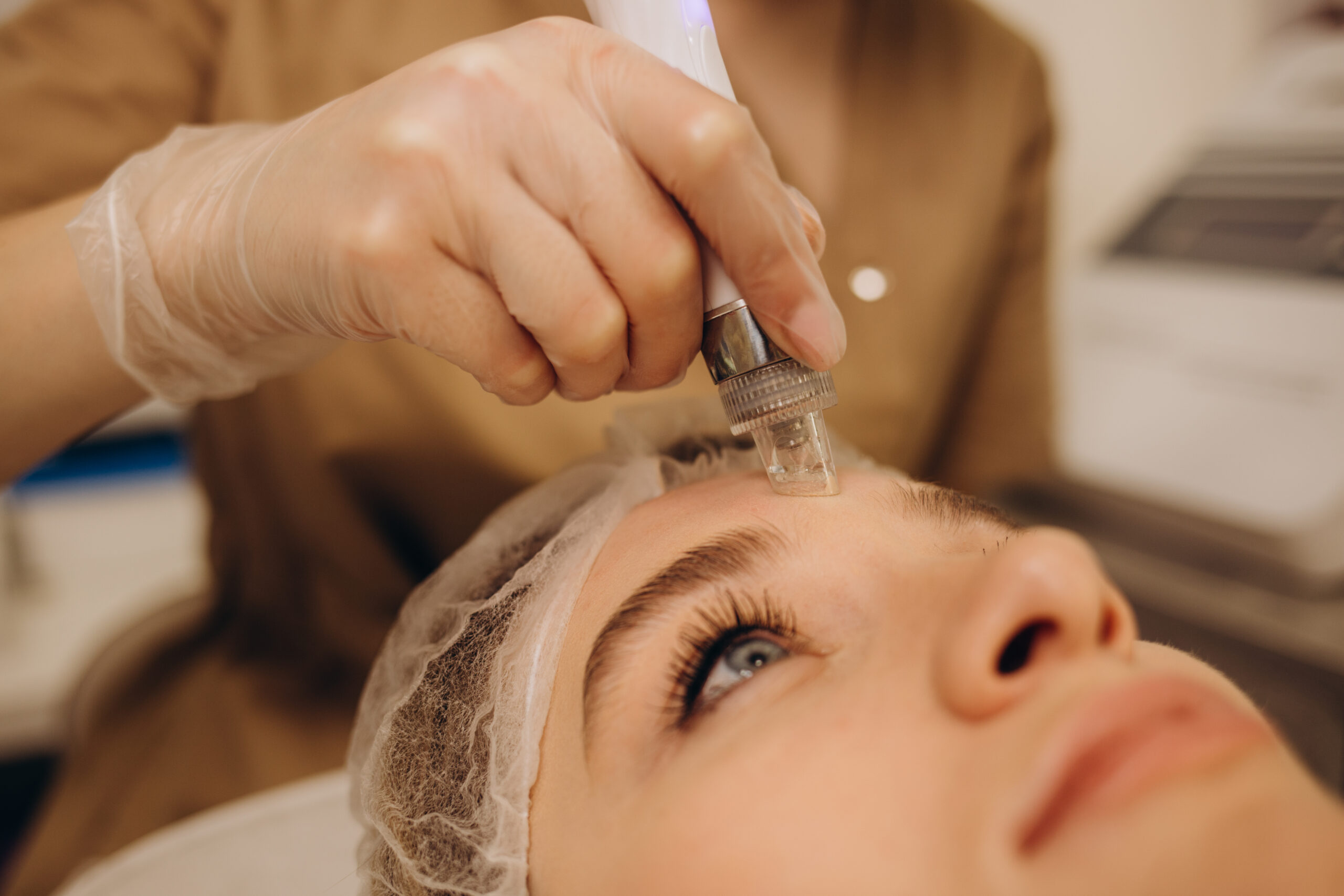

A practical, day-by-day guide to microneedling aftercare: how to cleanse, what to apply, when to wear makeup and sunscreen, and which products and activities to pause while your skin heals.


Microneedling aftercare is the set of steps you follow in the days after treatment to help your skin heal calmly and get the most from the procedure. In short: keep the skin clean, keep it hydrated with simple products, protect it from the sun, and avoid anything that heats, scrubs or chemically irritates it until the surface has settled. For most people that means a deliberately minimal routine for roughly three to seven days, followed by a gradual return to active ingredients.
That summary is easy to remember, but the details are where results are won or lost. Microneedling works by creating thousands of tiny, controlled channels in the skin, and the body’s repair response to those channels is what drives collagen remodelling. How you treat the skin while it is in that repair phase affects comfort, the risk of irritation or pigmentation, and how smoothly the healing process runs. This guide explains what to do and why, so the instructions make sense rather than feeling arbitrary.

Why Microneedling Aftercare Matters
Immediately after treatment, the skin barrier is temporarily disrupted. The microchannels close quickly, usually within hours, but the outer layer remains more permeable and more reactive than normal for several days. Products that your skin tolerates perfectly well on an ordinary day can sting, inflame or sensitise it during this window. Heat, sweat and friction can also prolong redness, while ultraviolet exposure on freshly treated skin increases the likelihood of post-inflammatory hyperpigmentation, particularly in medium and deeper skin tones.
Good aftercare is therefore not about adding extra products to “boost” results. It is mostly about removing the things that could interfere with healing. The procedure has already started the repair process; your job is to give the skin a quiet environment in which to finish it. As the Cleveland Clinic’s overview of microneedling notes, mild redness and sensitivity are expected, and recovery is generally straightforward when the skin is looked after sensibly.
The First 24 Hours After Microneedling
The first day is when the skin is most open and most reactive. Expect it to feel warm, tight and look flushed, similar to a mild sunburn. Some people notice slight swelling, especially around the eyes or on thinner areas of skin. This is a normal inflammatory response, not a sign that something has gone wrong.
During this period the guiding principle is to touch the skin as little as possible. Avoid makeup entirely, because foundation and powders can carry bacteria into the channels and are difficult to remove without rubbing. If your practitioner has applied a soothing serum or balm at the end of treatment, leave it in place for the time they recommend before cleansing.
When you do cleanse, usually that evening or the following morning, use lukewarm water and a mild, fragrance-free cleanser applied with clean fingertips. Pat the skin dry with a fresh towel or disposable tissue rather than wiping. Follow with a simple hydrating product such as a plain hyaluronic acid serum or a bland moisturiser. Change your pillowcase before sleeping, and try to sleep on your back if you can, to reduce friction and contact with fabrics.
Days Two to Three: Supporting the Barrier
By the second day, redness usually starts to soften, though the skin may still feel tight or slightly rough. Some people notice fine dryness or the beginnings of light flaking as the outer layer turns over. This is the stage where it is tempting to exfoliate, and it is the stage where you most need to resist.
Keep cleansing gently twice a day and moisturise more often than usual if the skin feels dry. Products built around barrier-friendly ingredients, such as ceramides, glycerin and squalane, tend to be well tolerated. Avoid anything that tingles. A tingle on recently treated skin is a sign of irritation, not efficacy.
Sun protection becomes essential from this point onwards, if not before. Use a broad-spectrum sunscreen of SPF 30 or higher whenever you go outside, and choose a formula that is fragrance-free. Mineral sunscreens based on zinc oxide or titanium dioxide are often more comfortable on sensitised skin. Even on overcast UK days, ultraviolet exposure is enough to affect healing skin, so it is worth treating SPF as non-negotiable for at least the first few weeks.
Days Four to Seven: Returning to Normal
Most people find that by the end of the first week the skin looks close to normal, and any flaking has largely settled. The exact timeline depends on the depth used, the area treated and your skin’s own healing speed, which is why your practitioner should give you a personal timeframe rather than a universal rule.
This is generally when makeup can be reintroduced, provided the surface is no longer broken or highly irritated. Use freshly cleaned brushes or sponges, and choose familiar products rather than testing something new. If you would like more detail on timing, our guide to microneedling healing stages walks through what typically happens week by week.
What to Avoid After Microneedling
The list of things to pause is often longer than the list of things to do, and that is intentional. The following are the most common culprits behind prolonged redness or irritation after treatment.
- Active ingredients: retinoids (including retinol and prescription tretinoin), alpha and beta hydroxy acids, vitamin C in high-strength acidic forms, and benzoyl peroxide. Most practitioners advise pausing these for around five to seven days, then reintroducing them gradually.
- Physical exfoliation: scrubs, cleansing brushes, exfoliating cloths and peel-off masks.
- Heat and sweat: saunas, steam rooms, hot yoga, very hot showers and intense workouts for at least 48 to 72 hours.
- Swimming: chlorinated pools and open water can irritate and contaminate healing skin.
- Fragrance and essential oils: these are common irritants even on intact skin.
- Picking or peeling: let flakes shed naturally, as pulling them can leave marks or patches of pigmentation.
It is also sensible to avoid other facial treatments, such as chemical peels, waxing, threading or laser, until your practitioner confirms the skin has recovered. Stacking treatments too closely can turn a controlled injury into an uncontrolled one.

Choosing Aftercare Products Wisely
A common question is whether you need special post-treatment products. In most cases, you do not. What matters is that the products are gentle, fragrance-free and familiar to your skin. A short routine of cleanser, hydrating serum, moisturiser and sunscreen covers nearly everything healing skin needs.
Hyaluronic acid is popular after microneedling because it draws water into the skin without acids or strong actives. Peptide serums and products containing panthenol or centella asiatica can also be soothing. Be cautious with anything marketed as a “growth factor” or “booster” unless your practitioner has recommended it, because product quality and sterility vary considerably. The independent Healthline guide to microneedling aftercare offers a useful overview of ingredient choices if you want to compare options.
When you reintroduce active ingredients after the first week, add them one at a time and start at a lower frequency than usual, for example a retinoid two or three nights a week. This makes it easier to spot which product is responsible if any irritation appears.
Signs That Healing Is Not on Track
Most recoveries are uneventful, but it is important to know what is not normal. Contact your practitioner if you notice increasing pain rather than improving discomfort, spreading redness or heat after the first two days, yellow crusting, pustules, significant swelling, or any blistering. Cold sores can also be triggered by facial treatments in people who are prone to them, which is one reason a full medical history is taken before microneedling.
Persistent darkening of the skin a few weeks later may indicate post-inflammatory hyperpigmentation. This is usually manageable, but it is best addressed early with professional advice rather than aggressive home treatment. Our article on microneedling side effects explains these reactions in more depth, including how they are prevented and managed.
Long-Term Aftercare Between Sessions
Aftercare does not end once the redness fades. Collagen remodelling continues for weeks to months after each session, and the habits you keep during that time influence the final outcome. Consistent sun protection, a stable skincare routine and avoiding smoking all support the skin’s repair processes.
Because microneedling is usually performed as a course, the interval between sessions also matters. Treating again before the skin has fully recovered can increase irritation without improving results. If you are planning a series, our guide on how often microneedling can be repeated explains typical spacing, and how long microneedling results last covers maintenance.
A Simple Microneedling Aftercare Checklist
If you want a quick reference to keep on your phone, the essentials can be summarised in a few lines. On day one, skip makeup, cleanse gently, hydrate and sleep on a clean pillowcase. From day two, add daily SPF 30 or higher and keep the routine bland. Avoid heat, sweat, swimming, actives and exfoliation for the first several days. Reintroduce makeup once the surface has settled and actives after about a week, one at a time. Throughout, do not pick, and contact your clinic if anything worsens rather than improves.
Conclusion
Microneedling aftercare is less about clever products and more about restraint. A gentle cleanser, simple hydration and diligent sun protection, combined with a short break from heat, exfoliation and active ingredients, give the skin the conditions it needs to heal and remodel. Following personalised instructions from your practitioner is always the most reliable approach, because depth, technique and skin type all shape the ideal recovery plan.
Considering microneedling?
If you would like to understand how microneedling could suit your skin and what your personal aftercare plan would look like, you can read more about the treatment and how a consultation works.