
Dermaplaning has become a popular professional facial treatment forpeople looking to achieve smoother, brighter and more refreshed-lookingskin. By gently removing dead skin cells and fine facial hair from thesurface of the skin, dermaplaning can leave the complexion feelingsofter and help create a more even-looking finish.But once you have experienced the results, an important questionoften follows: …


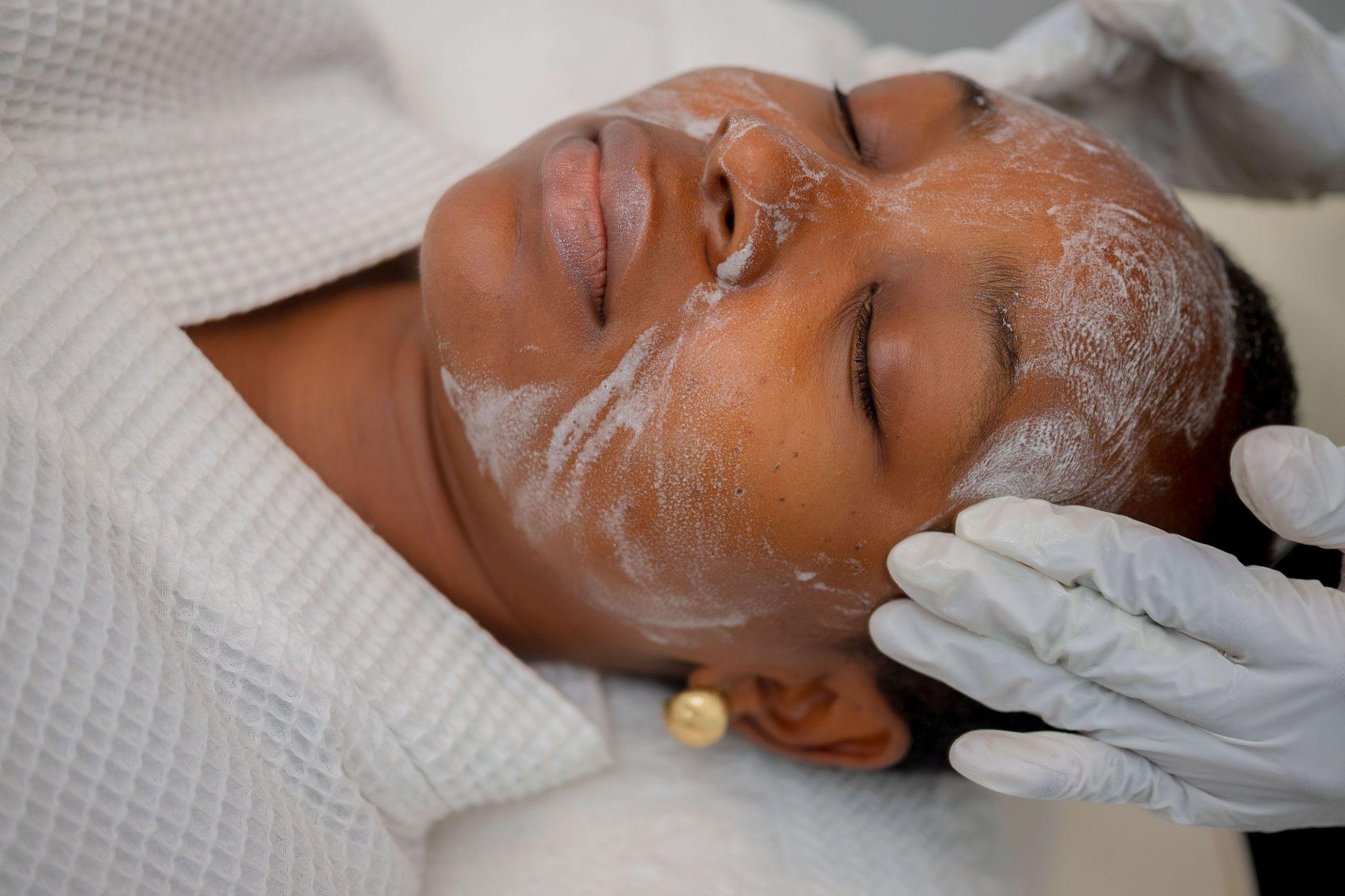
Dermaplaning has become a popular professional facial treatment for
people looking to achieve smoother, brighter and more refreshed-looking
skin. By gently removing dead skin cells and fine facial hair from the
surface of the skin, dermaplaning can leave the complexion feeling
softer and help create a more even-looking finish.
But once you have experienced the results, an important question
often follows: how often should you get
dermaplaning?
For most people, professional dermaplaning is typically spaced around
every four to six weeks. However, there is no single
schedule that works for everyone. Your skin type, sensitivity, skincare
routine and other treatments can all influence how frequently
dermaplaning is appropriate.
In this guide, we explore how often you should consider dermaplaning,
what happens during treatment, the potential benefits and why working
with an experienced skincare professional matters.
What Is
Dermaplaning?
Dermaplaning is a non-invasive exfoliating treatment that involves
carefully passing a specialised sterile blade across the surface of the
skin.
The process removes a superficial layer of dead skin cells as well as
fine vellus hair, commonly called peach fuzz.
Unlike shaving at home, professional dermaplaning is performed as a
controlled skincare treatment with the primary goal of exfoliating the
skin.
After treatment, many people notice that their skin feels immediately
smoother. Makeup may also apply more evenly because some of the dry
surface skin and fine facial hair have been removed.
Dermaplaning does not permanently remove facial hair, and it does not
cause the hair to grow back thicker or darker. The hair will gradually
return as part of its normal growth cycle.
How Often Should
You Get Dermaplaning?
A common schedule for professional dermaplaning is approximately
once every four to six weeks.
This timeframe broadly complements the skin’s natural renewal process
while allowing sufficient time between exfoliating treatments.
However, your ideal frequency should be determined according to your
individual skin.
Someone with resilient skin who regularly receives professional
treatments may follow a different schedule from someone who has
sensitive, reactive or particularly dry skin.
Having dermaplaning too frequently is not necessarily better.
Over-exfoliating the skin can potentially contribute to irritation,
sensitivity or disruption of the skin barrier.
A skincare professional can assess your skin and recommend an
appropriate treatment schedule rather than simply booking treatments as
frequently as possible.
Why Four to
Six Weeks Is Often Recommended
Your skin is continuously producing and shedding cells.
As dead skin cells accumulate on the surface, the complexion can
sometimes begin to appear dull, rough or uneven. Dermaplaning provides
physical exfoliation to remove some of this surface build-up.
Waiting several weeks between appointments gives the skin time to
recover and continue its normal renewal cycle.
The four-to-six-week recommendation should therefore be viewed as a
general guideline rather than a strict rule.
Your treatment provider may suggest waiting longer depending on your
skin condition, recent treatments and products being used at home.
What Are the
Benefits of Dermaplaning?
People choose dermaplaning for several cosmetic reasons.
One of its most noticeable benefits is the smoother texture it can
create immediately after treatment. Removing surface debris and fine
hair can give the face a softer and more polished appearance.
Dermaplaning may also help improve the appearance of:
Dull-looking skin
Rough or uneven texture
Dry surface build-up
Fine facial hair
Makeup sitting unevenly on the skin
Another reason dermaplaning is popular is that it generally requires
minimal downtime compared with some more intensive skin treatments.
However, results and suitability vary between individuals.
How Long Do
Dermaplaning Results Last?
Dermaplaning results are temporary because your skin continues its
natural renewal process and vellus hair eventually grows back.
Many people enjoy the smoother appearance for several weeks.
This is another reason appointments are commonly scheduled around
four to six weeks apart.
Maintaining results does not necessarily mean increasing treatment
frequency. A consistent skincare routine between appointments is equally
important.
Your skincare professional may recommend appropriate cleansing,
moisturising and sun protection products to help maintain your skin
between treatments.
Can You Dermaplane Too
Often?
Yes. More frequent exfoliation does not automatically produce better
skin.
Dermaplaning removes material from the skin’s outermost surface. If
treatments are performed too frequently, particularly alongside strong
exfoliating products or other professional treatments, the skin may
become irritated.
Signs that your skin may need more recovery time can include
increased sensitivity, redness, dryness or discomfort.
This is why it is important to tell your practitioner about other
treatments and active skincare ingredients you use.
Products containing ingredients such as retinoids and exfoliating
acids may affect how your skin responds to treatment.
Is
Dermaplaning Suitable for Every Skin Type?
Dermaplaning can be suitable for many people, but it isn’t
automatically appropriate for everyone.
Your current skin condition matters.
For example, people experiencing active inflammatory acne,
significant irritation, broken skin or certain other skin concerns may
need to avoid or postpone dermaplaning.
Rather than choosing a treatment purely because it is trending
online, a professional consultation allows your skin to be assessed
first.
At Rọ̀ra Clinic, treatment suitability can be
discussed before proceeding so that recommendations are based on your
individual skin needs and goals.
id=”does-dermaplaning-make-facial-hair-grow-back-thicker”>Does
Dermaplaning Make Facial Hair Grow Back Thicker?
This is one of the most common misconceptions surrounding
dermaplaning.
Removing vellus hair at the skin’s surface does not change
the structure of the hair follicle underneath the skin.
Dermaplaning therefore does not cause fine facial hair to suddenly
become thicker or darker.
As the hair begins to grow back, it may temporarily feel different
because it was cut at the surface. However, dermaplaning does not
biologically transform fine facial hair into thicker hair.
What Should You
Do After Dermaplaning?
Your skin may be more sensitive immediately following exfoliation, so
aftercare is an important part of the treatment.
Keep your routine gentle and follow the specific aftercare
instructions provided by your practitioner.
Sun protection is particularly important. Applying a suitable
broad-spectrum SPF and limiting unnecessary direct sun exposure can help
protect freshly exfoliated skin.
You may also be advised to temporarily avoid strong active
ingredients or additional exfoliation.
Avoid immediately introducing several new skincare products simply
because your skin feels smooth after treatment. A simple, appropriate
routine is often preferable during the immediate post-treatment
period.
Dermaplaning vs
At-Home Facial Shaving
Although both involve removing facial hair from the surface,
professional dermaplaning and shaving your face at home should not be
considered identical treatments.
Professional dermaplaning is designed primarily as an exfoliating
procedure and should be carried out using appropriate techniques and
equipment.
Attempting to recreate professional treatments without the necessary
knowledge can increase the likelihood of cuts, irritation or excessive
exfoliation.
If your primary goal is improving skin texture rather than simply
removing facial hair, professional assessment can also help determine
whether dermaplaning is actually the most appropriate treatment for
you.
id=”should-dermaplaning-be-part-of-your-regular-skincare-routine”>Should
Dermaplaning Be Part of Your Regular Skincare Routine?
It can be for suitable candidates.
However, professional treatments should complement a good everyday
skincare routine rather than replace one.
Cleansing appropriately, maintaining skin hydration and consistently
using sun protection remain important regardless of how frequently you
receive facials.
Your treatment schedule can then be adjusted according to how your
skin responds.
Some clients may benefit from dermaplaning approximately every four
weeks, while others may find that five, six or more weeks between
appointments works better.
The objective should always be healthy-looking skin rather than
simply receiving the maximum number of treatments.
Book a
Dermaplaning Appointment at Rọ̀ra Clinic
So, how often should you get dermaplaning?
For many people, approximately every four to six
weeks can be an appropriate starting point. However, your ideal
frequency depends on your skin type, current condition, skincare
products and wider treatment plan.
Professional guidance can help you determine whether dermaplaning is
suitable for your skin and how frequently you should consider
treatment.
If you’re considering dermaplaning and would like professional
advice, book an appointment with Rọ̀ra Clinic to discuss
your skin goals and suitable treatment options.
Book an
appointment with Rọ̀ra Clinic
Visit Rọ̀ra
Clinic to learn more about available skincare and
aesthetic treatments.