
Yes, microneedling can help improve the appearance of some dark spots and melasma, but it is not a guaranteed cure and should not be treated as a one-size-fits-all solution for pigmentation. Microneedling works by creating controlled micro-injuries in the skin, stimulating the body's natural healing process and encouraging collagen production. It can also help improve …

Yes, microneedling can help improve the appearance of some dark spots and melasma, but it is not a guaranteed cure and should not be treated as a one-size-fits-all solution for pigmentation.
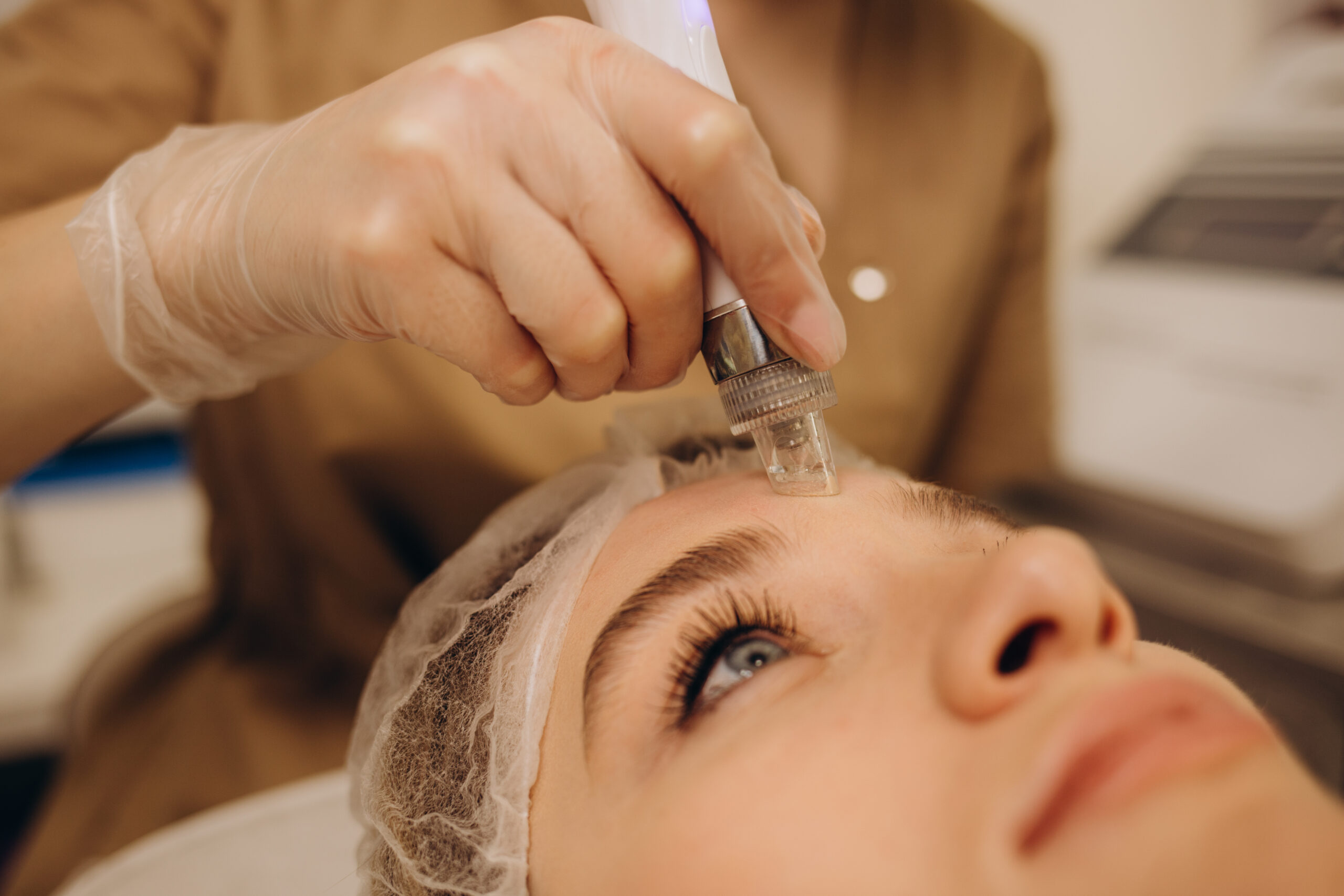
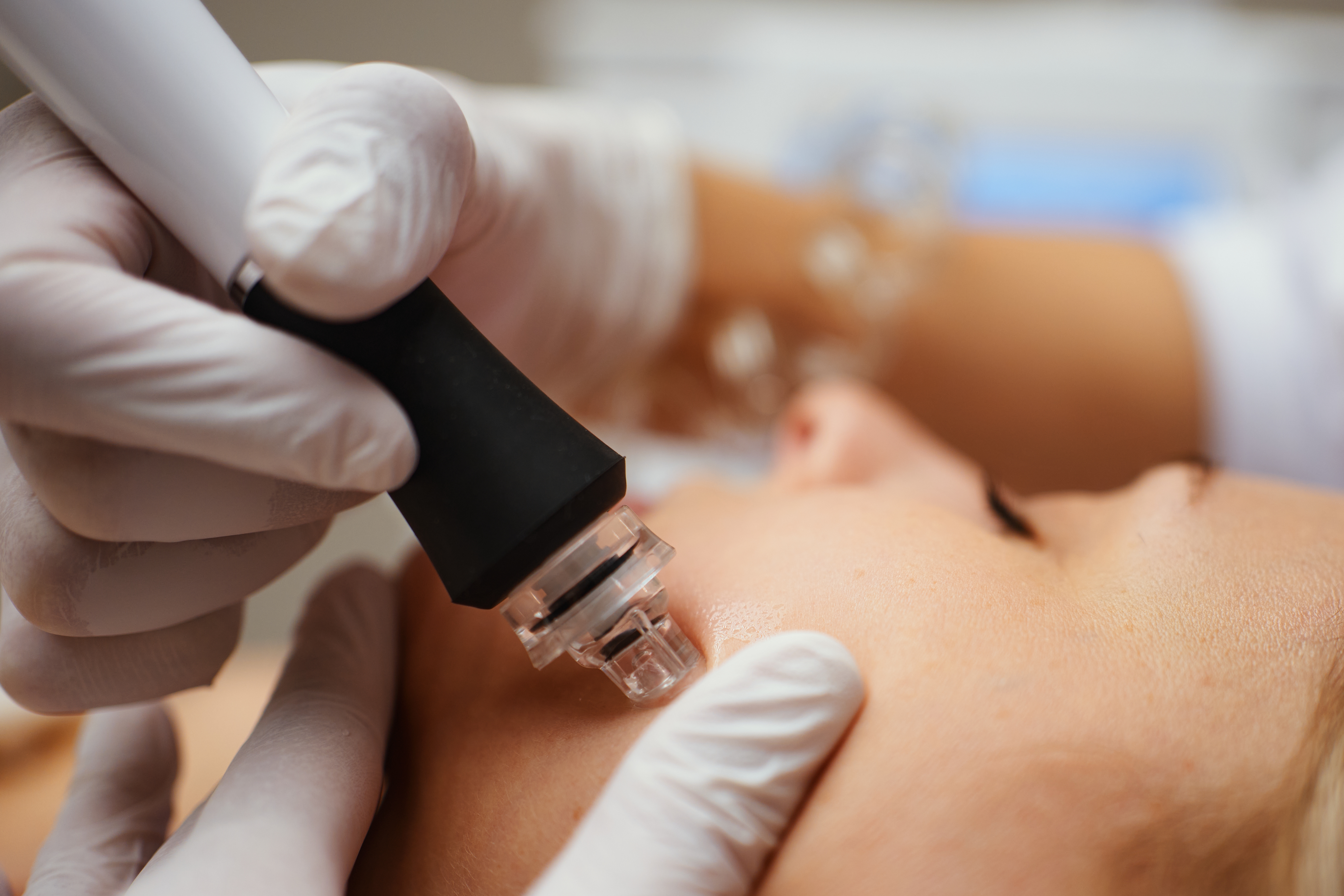
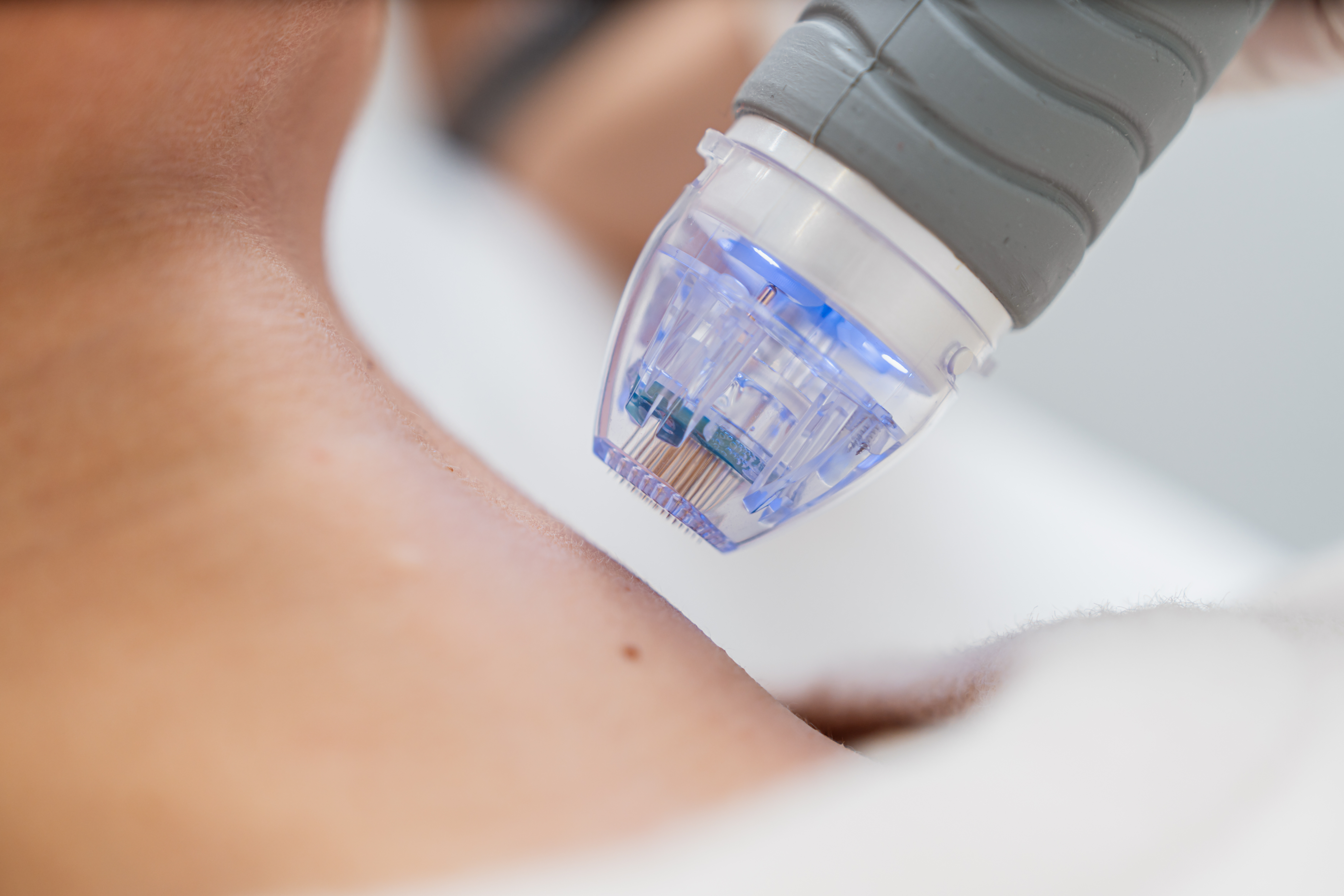
Microneedling works by creating controlled micro-injuries in the skin, stimulating the body’s natural healing process and encouraging collagen production. It can also help improve uneven skin tone and, in some treatment approaches, support the delivery of topical products into the skin. The American Academy of Dermatology recognises microneedling as a treatment that can improve the appearance of dark spots and melasma.
However, melasma is particularly complex. It can return even after successful treatment, and aggressive treatment can sometimes worsen pigmentation. For this reason, the right approach depends on what is causing the pigmentation, the depth and type of pigment, your skin type and how your skin responds to treatment.
What is the difference between dark spots and melasma?
Dark spots are a broad term for areas of skin that have become darker than the surrounding skin. They can develop after acne, inflammation, injuries, sun exposure or other forms of skin irritation.
Melasma is a specific pigmentation condition that usually appears as symmetrical brown, grey-brown or blue-grey patches, most commonly on the face. It often affects areas such as the cheeks, forehead, nose and upper lip.
This distinction matters because treating a simple post-inflammatory dark spot is not necessarily the same as treating melasma.
Before choosing a procedure, it is important to establish what type of pigmentation you are dealing with.
How can microneedling improve pigmentation?
Microneedling creates controlled micro-injuries that activate the skin’s repair process. As the skin heals, it produces new collagen and undergoes gradual remodelling.
For pigmentation concerns, microneedling may help in several ways:
- Improving uneven skin texture and tone
- Supporting more even-looking skin
- Stimulating collagen production
- Potentially enhancing the penetration of selected topical treatments
- Improving the overall appearance of certain areas of pigmentation
Research into microneedling for melasma suggests that it may be particularly useful when combined with appropriate topical therapies. A systematic review and meta-analysis found that combining microneedling with topical treatments produced greater improvement in melasma severity than topical treatment alone in the studies reviewed.
This means microneedling may be one component of a broader pigmentation treatment plan rather than the entire solution.
Can microneedling remove dark spots completely?
Microneedling can improve the appearance of some dark spots, but complete removal cannot be guaranteed.
The outcome depends on the underlying cause of the pigmentation. For example, a dark mark left behind after acne may respond differently from pigmentation caused primarily by ongoing sun exposure or a chronic condition such as melasma.
Even when pigmentation becomes significantly lighter, preventing it from returning is an important part of maintaining the result.
Sun exposure can contribute to pigmentation and may make melasma more noticeable. Appropriate sun protection is therefore an important part of any pigmentation-focused treatment plan.
Is microneedling effective for melasma?
Microneedling can help some people with melasma, but the evidence suggests that it is generally more useful as part of a comprehensive treatment strategy than as a standalone solution.
The American Academy of Dermatology lists microneedling among procedures that may help improve melasma. However, it also emphasises that treatment should be carefully selected and performed by an appropriately trained professional.
Research has found promising results when microneedling is combined with topical treatments, although studies vary in their methods and quality. A systematic review found that the evidence supporting microneedling for melasma is promising but still limited, particularly when microneedling is used on its own.
More recent dermatology guidance also supports a multimodal approach, with microneedling potentially used alongside other treatments rather than relying on it as the only intervention.
Why melasma requires extra care
Melasma is not simply a surface-level skin problem. It is a chronic pigmentation condition that can fluctuate and return over time.
Because of this, treating melasma too aggressively can be counterproductive. Skin irritation and inflammation may contribute to post-inflammatory hyperpigmentation, particularly in people who are already prone to pigmentation.
This is one reason treatment should be personalised rather than choosing the strongest possible procedure or assuming that more intensive treatment will produce better results.
A suitable treatment plan should consider your skin type, pigmentation pattern, previous treatments, current skincare routine and tendency to develop pigmentation after inflammation.
Can microneedling make pigmentation worse?
Although microneedling can be used to improve pigmentation, any treatment that intentionally creates controlled injury to the skin needs to be performed appropriately.
If the skin is exposed to excessive trauma or is not a suitable candidate for the procedure, there may be a risk of complications, including inflammation and changes in pigmentation.
This is particularly important when treating melasma because the condition can be difficult to control and may flare following irritation.
Professional assessment helps determine whether microneedling is appropriate and how it should be incorporated into an individual’s treatment plan.
Is microneedling suitable for darker skin tones?
Microneedling can be used across different skin tones when performed appropriately. Research has specifically explored its use in skin of colour and found potential applications for conditions including melasma and other pigmentation concerns.
However, having a darker skin tone does not mean that every procedure or treatment setting is automatically appropriate.
Skin that is more prone to pigmentation requires careful consideration of treatment intensity, healing and aftercare. A personalised approach is particularly important when the main concern is pigmentation.
How many sessions might be needed?
There is no universal number of microneedling sessions for dark spots or melasma.
Some people may require a series of treatments, while others may be better suited to a different approach. The appropriate interval between treatments also depends on how the skin responds and what other treatments are being used.
It is important to allow sufficient time for the skin to recover and for gradual changes to become visible.
Microneedling results are not usually immediate. Collagen remodelling and changes in skin appearance develop progressively over the weeks and months following treatment.
What else can help with melasma?
Microneedling is only one possible component of a melasma management plan.
Depending on the individual, a practitioner may consider other approaches, including topical treatments and strict protection from ultraviolet and visible light. The specific treatment should depend on the cause and characteristics of the pigmentation.
Sun protection is particularly important because UV exposure can worsen melasma and contribute to recurrence. The American Academy of Dermatology recommends sun protection as an important part of managing melasma.
The goal is not simply to lighten the existing pigmentation. It is also to reduce the factors that can cause it to become darker or return.
How long does it take to see improvement?
Pigmentation generally does not change overnight.
After microneedling, the skin needs time to recover and remodel. Any improvement in tone or texture develops gradually rather than immediately after treatment.
Studies examining microneedling alongside topical therapy for melasma have reported meaningful improvements over several weeks, with some of the strongest results appearing around 12 weeks.
Your individual timeline may be different depending on the severity and type of pigmentation, the treatment approach and your skin’s response.
Microneedling for dark spots vs. melasma
| Concern | Potential role of microneedling | Important consideration |
|---|---|---|
| Post-acne dark marks | May improve overall appearance | The underlying acne should also be controlled |
| Sun-related pigmentation | May support more even-looking skin | Consistent sun protection is essential |
| Uneven skin tone | Can improve tone and texture | Results develop gradually |
| Melasma | May help as part of a broader treatment plan | Recurrence is common and treatment must be carefully managed |
| Deeper or persistent pigmentation | May not be sufficient alone | Professional assessment is important |
Frequently Asked Questions
Can microneedling permanently remove melasma?
No. Melasma is a chronic condition and can return even after successful treatment. Microneedling may help reduce its appearance, but it should not be presented as a permanent cure.
Is microneedling better than creams for melasma?
Not necessarily. Evidence suggests microneedling can be useful alongside topical treatments, and combination approaches may provide better results than relying on microneedling alone. The appropriate combination depends on the individual.
Can microneedling remove dark spots after acne?
It may help improve the appearance of some post-acne dark spots, particularly when uneven texture is also present. However, the cause of the pigmentation should be identified before treatment.
Can microneedling cause more dark spots?
There is a potential for pigmentation changes after procedures that cause skin inflammation. This makes appropriate treatment settings, patient selection and aftercare particularly important for people prone to hyperpigmentation.
How long does it take for melasma to improve with microneedling?
Improvement is gradual. Studies of microneedling combined with topical treatments have found improvements over several weeks, with stronger results reported around 12 weeks in some research. Individual results vary.
Should I get microneedling if I have melasma?
Microneedling may be appropriate for some people with melasma, but it should first be assessed by a qualified professional. The best approach depends on the type of pigmentation, skin characteristics and previous treatments.
The Bottom Line
Microneedling can help improve dark spots, uneven skin tone and melasma in appropriate patients, but it should not be viewed as a guaranteed way to eliminate pigmentation.
For ordinary dark marks, particularly those associated with acne or skin inflammation, microneedling may improve the overall appearance of the skin. For melasma, the treatment can be useful but is generally best considered as part of a broader, personalised management plan.
Because melasma can recur and pigmentation can sometimes worsen after irritation, the priority should be a carefully considered treatment strategy rather than simply choosing the most intensive procedure.
Ready to Find Out If Microneedling Is Right for Your Pigmentation?
If you’re concerned about dark spots, uneven skin tone or melasma, a personalised assessment can help determine what type of pigmentation you have and whether microneedling is an appropriate treatment option.
Explore Rora Clinic’s microneedling treatment to learn more about the procedure, or speak with the Rora Clinic team about your skin concerns and the treatment approach that may be right for you.
Book a Consultation
It’s easy and free!