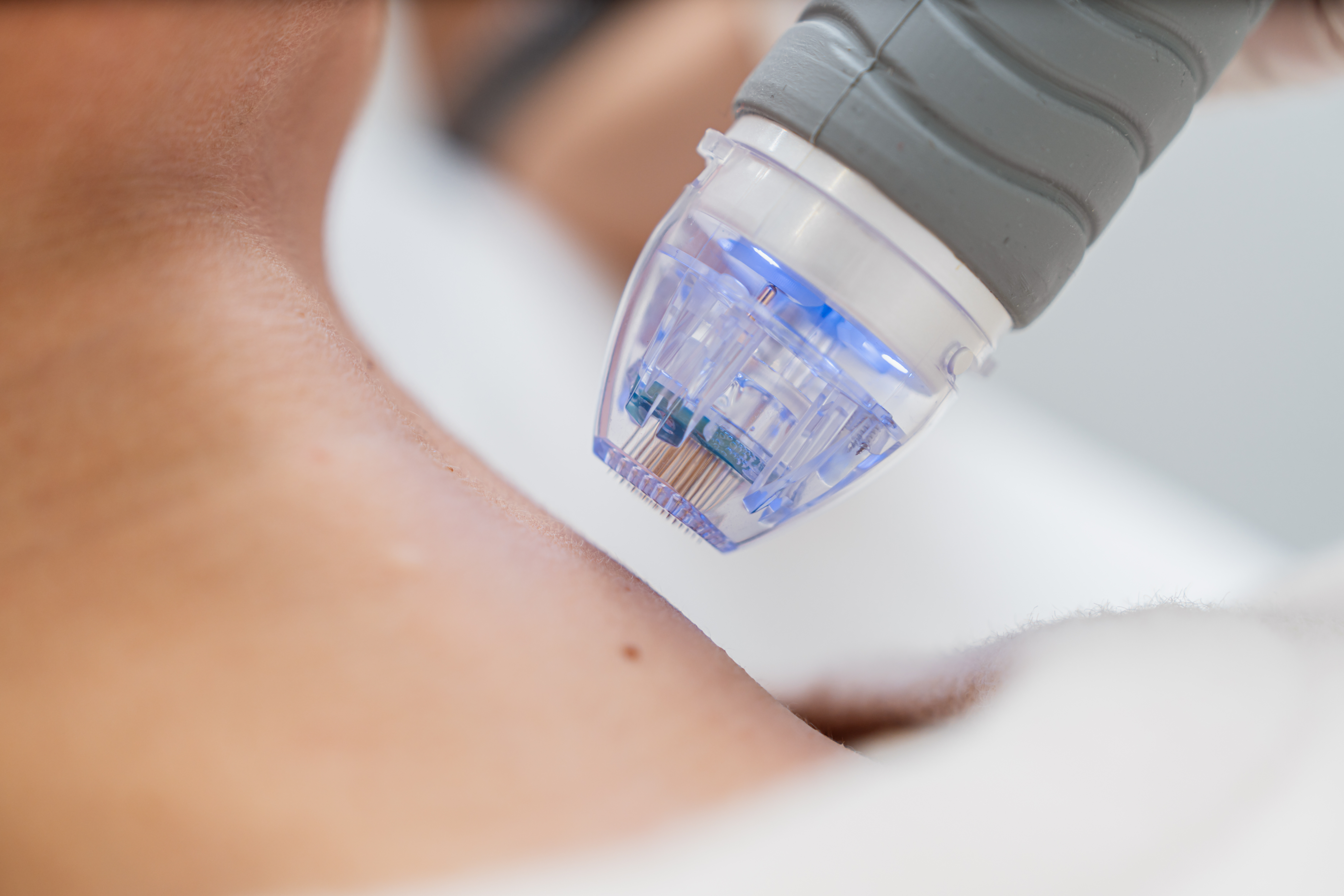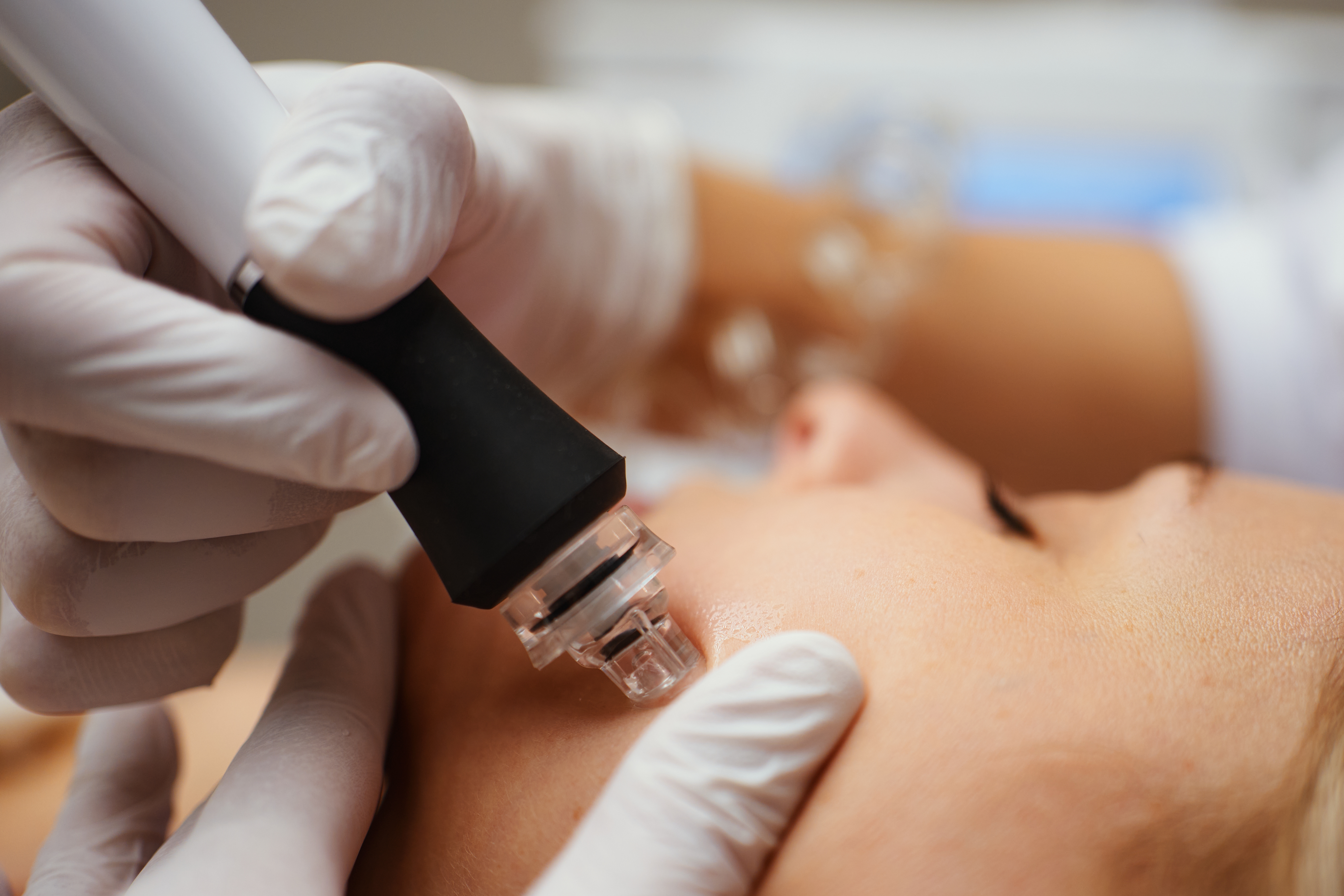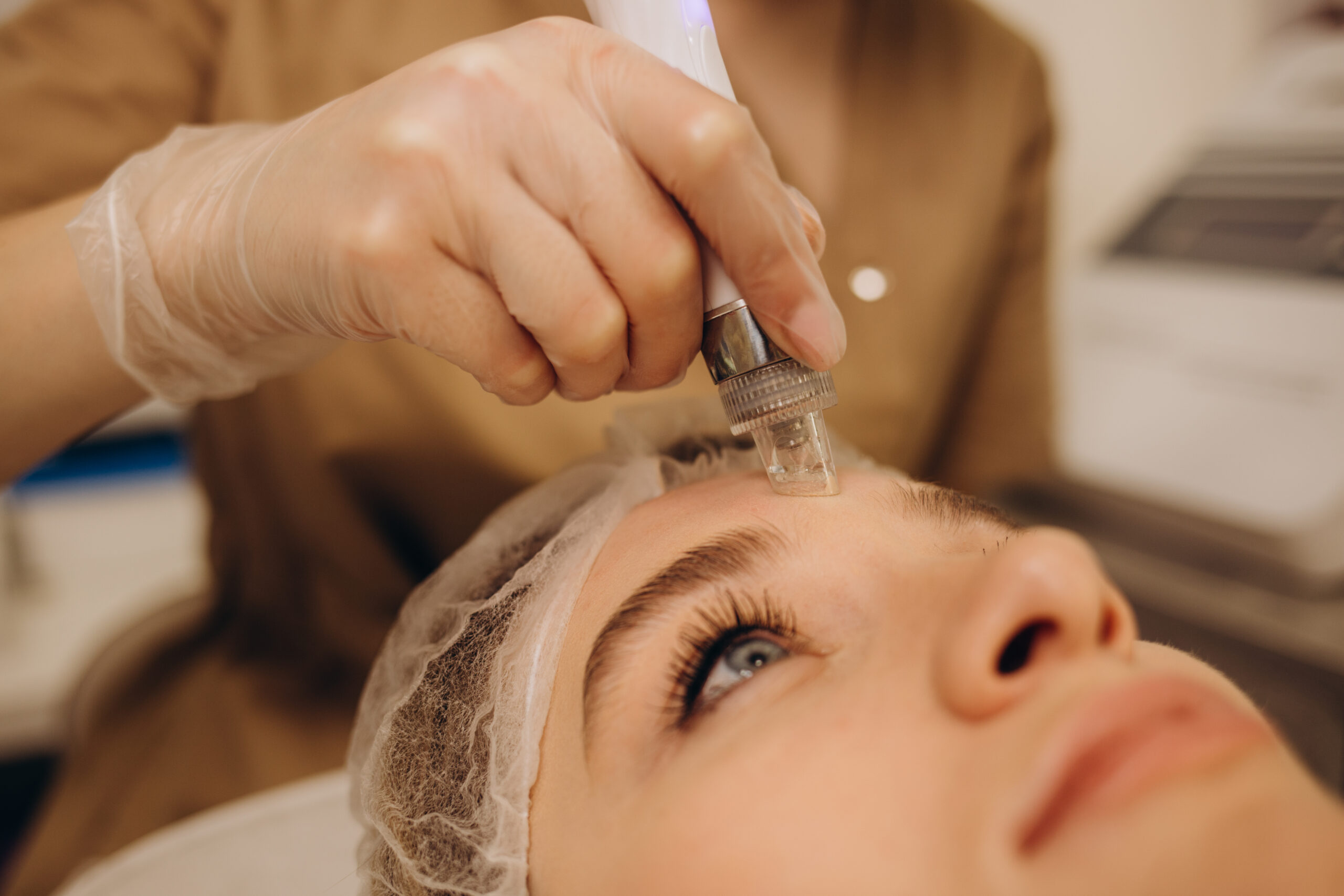

Microneedling can significantly improve the appearance of many types of scars, but it cannot usually remove scars completely. The treatment works by creating controlled micro-injuries in the skin, which stimulate the body's natural healing response and encourage new collagen and elastin production. Over time, this can make scars look smoother, softer, and less noticeable. The …


Microneedling can significantly improve the appearance of many types of scars, but it cannot usually remove scars completely. The treatment works by creating controlled micro-injuries in the skin, which stimulate the body’s natural healing response and encourage new collagen and elastin production. Over time, this can make scars look smoother, softer, and less noticeable.
The extent of improvement depends on the type of scar, its depth, how long it has been present, your skin’s healing response, and the treatment plan used. Some scars may respond very well to microneedling, while deeper or more complex scars may require a combination of treatments.
At Rora Clinic, microneedling is clinically guided and personalised around individual skin concerns and treatment goals. Understanding what microneedling can realistically achieve is an important part of deciding whether it is the right treatment for your scars.
What does microneedling do to scars?
Microneedling uses fine needles to create controlled micro-injuries in the skin. These tiny injuries trigger the skin’s natural repair process, encouraging the production of collagen and elastin.
Scar tissue often differs from surrounding skin in its structure and texture. By stimulating new collagen, microneedling can gradually help remodel the treated area and improve the overall appearance of the scar.
Rather than removing scar tissue instantly, the treatment encourages the skin to repair and remodel itself over time. This is why improvements are usually gradual rather than immediate.
Can microneedling completely remove scars?
In most cases, no. Microneedling is better described as a scar-improving treatment rather than a scar-removal treatment.
A scar forms when the skin heals after an injury, inflammation, surgery, acne, or another form of damage. Once established, scar tissue cannot always be returned completely to its original state.
Microneedling may, however, make scars considerably less noticeable by improving:
- Skin texture
- Scar depth and unevenness
- Collagen structure
- Surface smoothness
- The transition between the scar and surrounding skin
- Overall skin appearance
The goal is generally visible improvement rather than complete erasure.
For some people, the change can be substantial. For others, particularly those with deeper or more established scars, improvement may be more limited.
Which types of scars can microneedling improve?
Microneedling is commonly used to improve the appearance of several types of scars, particularly depressed or atrophic scars.
Acne scars
Microneedling can be particularly useful for certain types of acne scarring. Depressed acne scars occur when there is a loss or disruption of collagen during the healing process.
By stimulating collagen production, microneedling can gradually improve the texture and appearance of these scars.
However, acne scars are not all the same. Ice-pick, rolling, and boxcar scars have different structures and may respond differently to treatment. Deeper scars may require additional or alternative procedures.
Surgical scars
Microneedling may help improve the appearance and texture of some established surgical scars. Treatment can encourage collagen remodelling and may make the scar feel and look smoother over time.
Whether microneedling is appropriate depends on factors such as the age and condition of the scar and whether the area has completely healed.
Traumatic scars
Scars resulting from cuts, injuries, or other trauma may also benefit from microneedling in appropriate cases.
The treatment does not erase the history of the injury, but improving the texture and appearance of the scar can make it less visually prominent.
Stretch marks
Although stretch marks are technically a form of scarring, they have different characteristics from conventional injury or acne scars. Microneedling may improve their texture and appearance by stimulating collagen production.
Results vary depending on factors such as how established the stretch marks are and their individual characteristics.
Why some scars respond better than others
The type of scar is one of the biggest factors influencing the outcome.
A shallow, rolling scar may respond differently from a deep, narrow ice-pick scar. Similarly, a relatively flat scar may require a different approach from a thick, raised scar.
Other factors that can affect results include:
Scar depth: Deeper scars can be more difficult to improve and may require combination treatment.
Scar age: Older scars can still respond to treatment, but they may require a longer or more comprehensive treatment plan.
Skin healing response: Individual differences in collagen production and wound healing can affect results.
Treatment approach: Needle depth, technique, treatment frequency and overall clinical assessment all influence how treatment is performed.
Skin condition: Active acne, inflammation or certain skin conditions may need to be addressed before scar treatment begins.
This is why a personalised assessment is important rather than assuming that every scar will respond in exactly the same way.
How many microneedling sessions are needed for scars?
There is no single number of sessions that works for everyone.
A course of treatment may involve multiple sessions because collagen remodelling happens gradually. Your practitioner may recommend a series of treatments with appropriate recovery time between them, depending on your skin and the characteristics of the scars being treated.
It is also important not to assume that increasing treatment frequency will produce faster results. Skin needs time to recover and go through the collagen-remodelling process.
After each session, improvement may continue for weeks or months as the skin develops new collagen.
When will you see results?
Microneedling does not usually produce the final result immediately after treatment.
Some people may notice an initial improvement in skin texture as the skin settles, but the more meaningful changes develop gradually as collagen production and remodelling take place.
This means that evaluating the result too soon can give an incomplete picture of what the treatment has achieved.
A realistic timeline depends on the individual, the scar being treated and the treatment plan. Several sessions may be recommended before the full improvement becomes apparent.
Can deep scars be treated with microneedling?
Deep scars can sometimes be improved with microneedling, but they may not respond as dramatically as shallower scars.
This is particularly relevant for certain types of deep acne scars. If a scar extends significantly into the deeper layers of the skin, microneedling alone may not provide the level of improvement someone is hoping for.
In these situations, a practitioner may assess whether another treatment or a combination approach would be more appropriate.
The important point is that deeper does not automatically mean untreatable, but it does mean expectations and treatment options need to be assessed carefully.
What about raised scars?
Microneedling is not appropriate for every type of scar.
Raised or thickened scars, including some hypertrophic scars and keloids, behave differently from depressed scars. They involve excessive scar tissue rather than a loss of tissue.
Because of this, microneedling may not be the preferred treatment for these scars and could be inappropriate in some circumstances.
A professional assessment can help determine what type of scar you have and whether microneedling is suitable.
Can microneedling make scars worse?
When appropriately performed on suitable skin, microneedling is generally considered a controlled treatment. However, as with any procedure that affects the skin, there are potential risks.
Incorrect technique, inappropriate treatment settings, treating unsuitable skin, poor aftercare or performing treatment too aggressively can increase the risk of complications such as prolonged inflammation, infection, pigment changes or additional scarring.
This is one reason professional treatment is preferable to attempting aggressive microneedling at home.
The objective should be controlled skin remodelling, not creating unnecessary trauma.
Does microneedling remove the colour of scars?
Microneedling primarily addresses skin texture and collagen remodelling. Changes in pigmentation may require a different or additional approach.
A scar can have several characteristics at the same time. It may be depressed, textured, darker or lighter than the surrounding skin.
Improving the texture of a scar does not necessarily mean that its colour will completely return to the surrounding skin.
During an assessment, it is useful to distinguish between the structural characteristics of the scar and any pigmentation concerns because they may require different treatment strategies.
Can you combine microneedling with other scar treatments?
In some cases, combining treatments may produce a more comprehensive approach to scar management.
However, combination treatment should not be based simply on doing more procedures. The appropriate approach depends on the type of scar, its depth, skin condition and treatment history.
A qualified practitioner can determine whether microneedling alone is appropriate or whether another treatment could address a particular aspect of the scar more effectively.
Is microneedling worth it for scars?
For someone with suitable scars and realistic expectations, microneedling can be a valuable treatment option.
Its main advantage is that it works with the skin’s natural healing response rather than attempting to physically remove the scar in one procedure.
The most important expectation is not perfection. A successful outcome may mean that a scar becomes considerably less noticeable, the skin feels smoother and the difference between the scar and surrounding skin becomes less obvious.
For some people, that can represent a meaningful improvement even though a small amount of scarring remains.
What to expect after treatment
Immediately after microneedling, the skin may appear red or feel warm and sensitive. These effects are generally temporary.
As the skin recovers, it begins the longer process of collagen remodelling. Following the recommended aftercare is important during this period.
Your practitioner may advise you on how to care for the treated area, including avoiding unnecessary irritation and protecting the skin while it heals.
It is also important to avoid judging the final result immediately after a session. Collagen development takes time.
Frequently Asked Questions
Can microneedling make a scar disappear completely?
Usually, no. Microneedling can significantly reduce the appearance of some scars, but complete removal is not generally realistic. The aim is to improve the scar’s texture, depth and overall visibility.
How effective is microneedling for acne scars?
Microneedling can improve the appearance of certain acne scars, particularly some depressed scars. The degree of improvement depends on the scar type, depth, skin condition and treatment plan.
How long does it take to see scar improvement?
Improvement develops gradually. Some changes may become noticeable within weeks, while collagen remodelling can continue over the following months.
How many sessions are needed for acne scars?
The number varies from person to person. Multiple treatments are often used for scar improvement, with appropriate recovery periods between sessions.
Are deep acne scars suitable for microneedling?
Some deep acne scars can be improved, but microneedling may not be sufficient on its own for every scar type. A professional assessment can determine whether another treatment or combination approach would be more suitable.
Can microneedling treat old scars?
Age alone does not necessarily make a scar unsuitable for treatment. However, older and more established scars may respond differently from newer scars, so expectations should be based on an individual assessment.
Does microneedling hurt?
Microneedling can cause some discomfort, although the experience varies depending on the treatment area, technique and individual sensitivity. A professional practitioner can advise you on what to expect before treatment.
The Bottom Line
Microneedling cannot usually completely remove scars, but it can make certain scars significantly less noticeable by stimulating collagen production and improving the structure and texture of the skin.
The best candidates are not necessarily people looking for a procedure that makes a scar disappear. They are people who understand that scar improvement is usually gradual and are prepared for the possibility of multiple treatments and realistic results.
The type of scar matters. Its depth, structure, age, colour and location can all influence the outcome. For this reason, the right treatment should begin with an assessment rather than a promise of complete scar removal.
Ready to Find Out If Microneedling Is Right for Your Scars?
If you’re considering microneedling for scars but are unsure whether it can address your particular type of scarring, a personalised consultation can help you understand what is realistically achievable.
Explore Rora Clinic’s microneedling treatment to learn more about the treatment, or speak with the Rora Clinic team about your skin concerns, treatment options and the approach that may be most appropriate for you.
Book a Consultation
It’s easy and free!