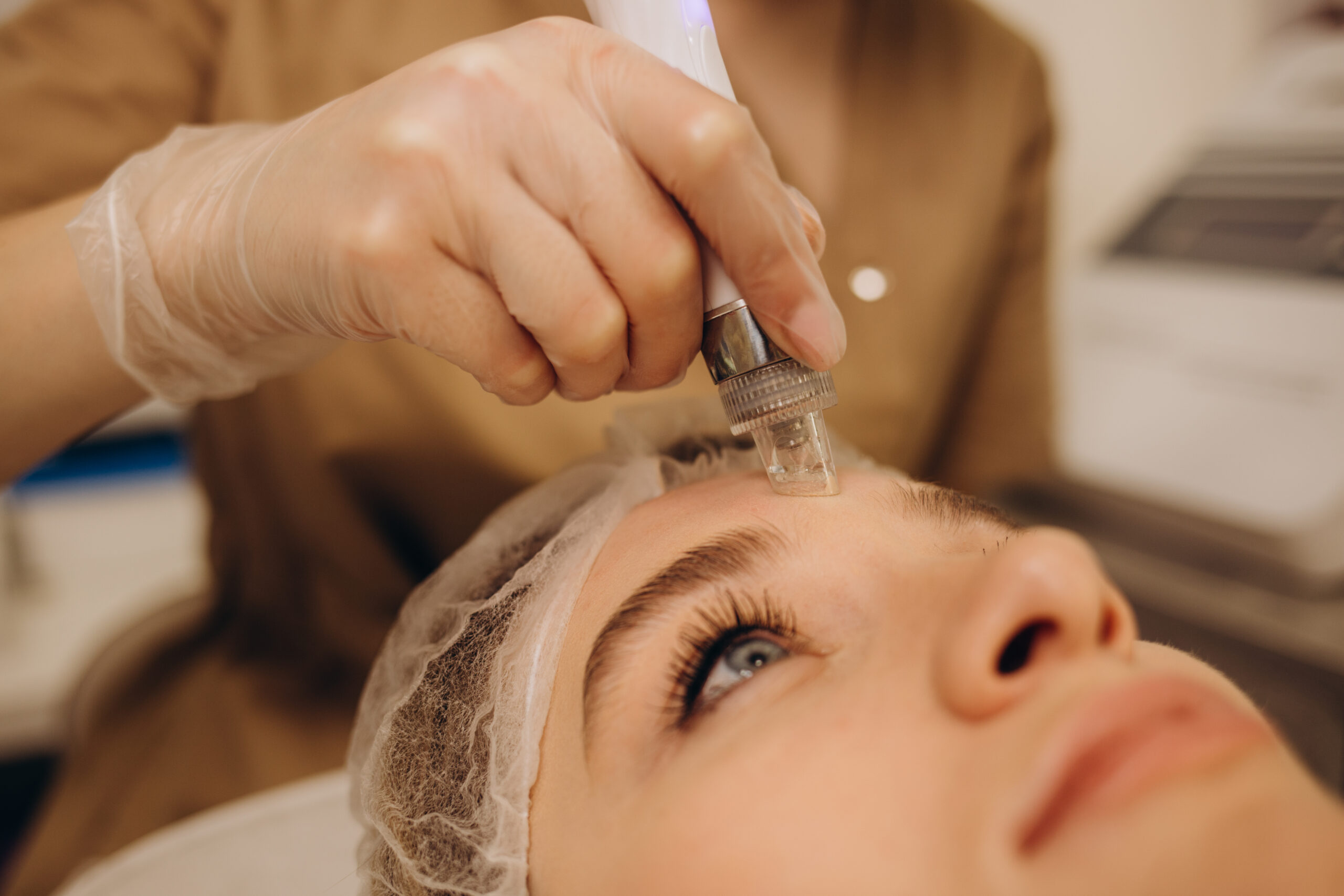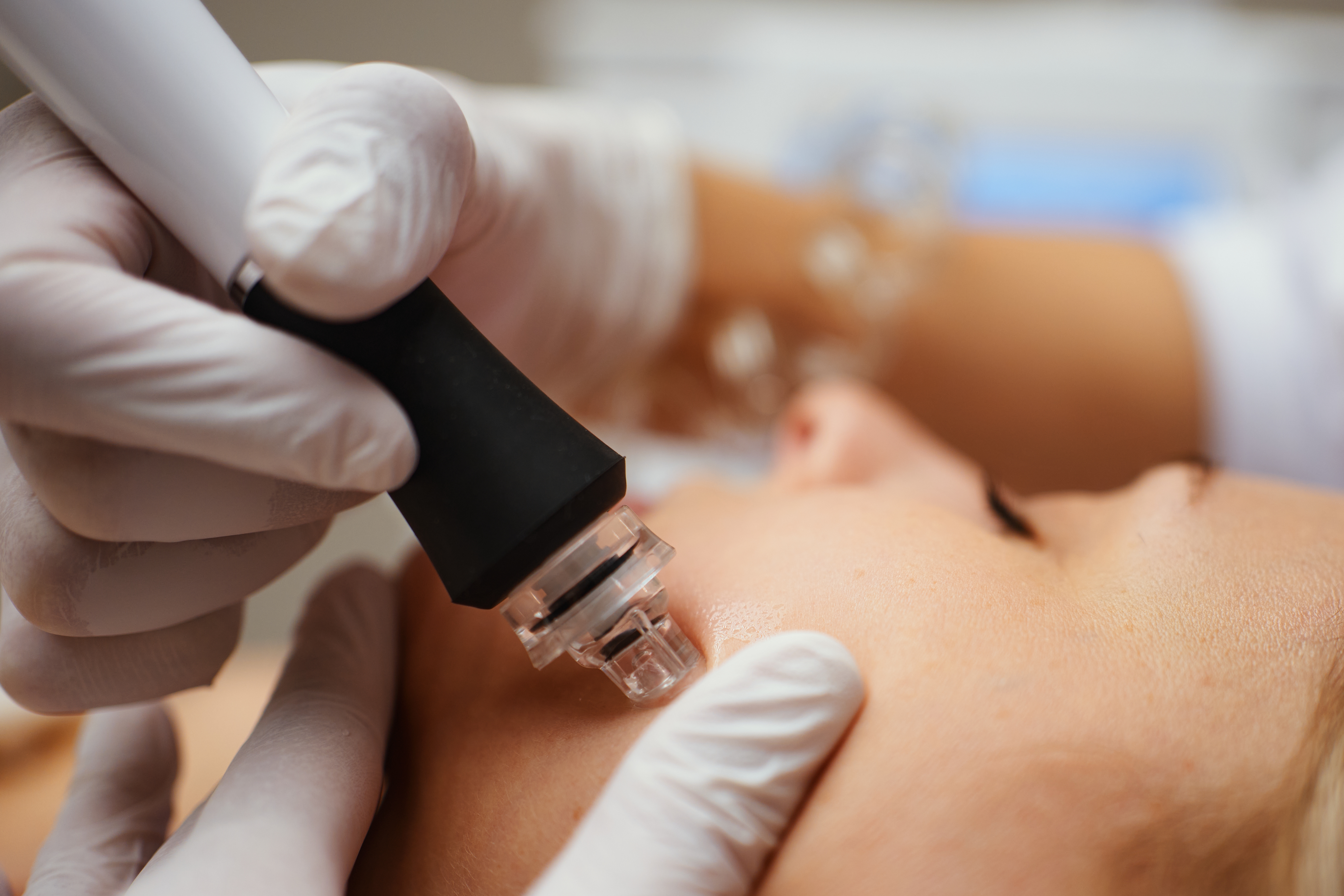

Dark spots can be frustrating, particularly when they remain longafter acne, irritation or other skin concerns have cleared. Whileskincare products can help improve the appearance of uneven pigmentationover time, professional treatments such as chemical peels are alsocommonly considered by people looking for a brighter, more even-lookingcomplexion.A chemical peel for dark spots works by applying acarefully …


Dark spots can be frustrating, particularly when they remain long
after acne, irritation or other skin concerns have cleared. While
skincare products can help improve the appearance of uneven pigmentation
over time, professional treatments such as chemical peels are also
commonly considered by people looking for a brighter, more even-looking
complexion.
A chemical peel for dark spots works by applying a
carefully selected chemical solution to the skin to encourage controlled
exfoliation. Depending on the type and strength of the peel, this
process can help remove damaged surface cells and support skin
renewal.
But can chemical peels actually reduce dark spots? How many
treatments might you need, and are chemical peels appropriate for every
skin tone?
This guide explains what you should know before considering a
chemical peel for pigmentation and dark spots.
What Causes Dark
Spots on the Skin?
Dark spots develop when certain areas of the skin contain more
melanin than the surrounding skin. Melanin is the pigment responsible
for skin colour.
Several factors can contribute to excess pigmentation.
One of the most common is post-inflammatory
hyperpigmentation, often called PIH. This can occur after
inflammation or injury to the skin. Acne, picking spots, irritation and
some skin treatments can leave darker marks behind after the original
problem has healed.
Sun exposure can also contribute to pigmentation. Ultraviolet
radiation stimulates melanin production and may make existing areas of
pigmentation appear darker.
Other potential causes include hormonal changes and certain skin
conditions.
Because different types of pigmentation can require different
approaches, identifying the likely cause of your dark spots is an
important part of deciding whether a chemical peel is suitable.
What Is a Chemical
Peel?
A chemical peel is a professional skin treatment that uses a chemical
solution to exfoliate specific layers of the skin.
Different peeling agents and concentrations can be used depending on
the person’s skin, treatment objectives and the depth of exfoliation
required.
Chemical peels are generally described as superficial, medium or
deep.
For many cosmetic concerns involving uneven tone and superficial
pigmentation, lighter professional peels may be considered.
The goal isn’t simply to make the skin peel visibly. Instead,
treatment is designed to create controlled exfoliation and encourage
skin renewal.
For this reason, the strength of a chemical peel should be selected
according to the individual rather than assuming that a stronger peel
will produce better results.
Does a
Chemical Peel Help With Dark Spots?
Chemical peels can help improve the appearance of some types
of superficial pigmentation and uneven skin tone.
The exfoliation process encourages pigmented surface cells to shed
gradually. As the skin renews, some people notice that areas of
discolouration become less noticeable and their overall complexion
appears more even.
Results depend on several factors, including:
The cause of the pigmentation
How deep the pigmentation sits within the skin
Your skin type and tone
The type and strength of chemical peel used
Your skincare routine
Sun exposure
How consistently you follow aftercare instructions
Chemical peels should therefore not be considered an instant cure for
every type of pigmentation.
A professional skin assessment can help determine whether a peel is
appropriate for your particular concern.
Which
Chemical Peel Is Best for Dark Spots?
There isn’t one universally “best” chemical peel for dark spots.
Different acids can be used in professional chemical peels, including
glycolic acid, lactic acid and salicylic acid, among others.
The appropriate option depends on what is causing your pigmentation
and how your skin responds to exfoliation.
For example, someone dealing with post-acne marks may require a
different approach from someone concerned about sun-related
pigmentation.
This is particularly important for people with darker skin tones.
Excessively aggressive treatment can cause inflammation, which may
potentially contribute to further post-inflammatory
hyperpigmentation.
Professional assessment and appropriate peel selection are therefore
essential.
Chemical Peels for
Darker Skin Tones
Chemical peels can be performed on darker skin tones, but careful
treatment selection is especially important.
Melanin-rich skin can be more susceptible to post-inflammatory
hyperpigmentation following irritation or inflammation.
This does not automatically mean chemical peels should be avoided.
Instead, the practitioner should consider skin tone, pigmentation
history, current skincare routine and the type and strength of peel
being proposed.
A conservative, personalised approach may be preferable to pursuing
aggressive exfoliation.
If you are prone to developing dark marks after spots or irritation,
make sure your practitioner knows this before treatment.
Can
Chemical Peels Help With Acne Dark Spots?
Post-acne pigmentation is one of the reasons people consider
professional chemical peels.
After an acne lesion heals, it may leave behind a brown or darker
patch. This is commonly post-inflammatory hyperpigmentation rather than
an acne scar.
Chemical exfoliation may help gradually improve the appearance of
these superficial marks.
However, active acne and post-acne pigmentation are separate
concerns.
If you are experiencing significant active or inflamed acne alongside
pigmentation, your practitioner may recommend addressing the active skin
concern as part of a broader treatment plan.
Avoid picking or squeezing spots, as additional inflammation can
increase the likelihood of pigmentation.
How
Many Chemical Peels Do You Need for Dark Spots?
There is no fixed number of treatments that guarantees pigmentation
will disappear.
Some people may notice changes following an individual treatment,
while others may require a carefully planned course of treatments.
The number of sessions required depends on the depth and severity of
the pigmentation, the type of peel being used and how your skin
responds.
Professional treatments should also be appropriately spaced to allow
the skin time to recover.
Rather than deciding in advance that you need a particular number of
peels, it is better to have your progress assessed throughout your
treatment programme.
What Happens During
a Chemical Peel?
Your experience will vary depending on the chemical peel being
used.
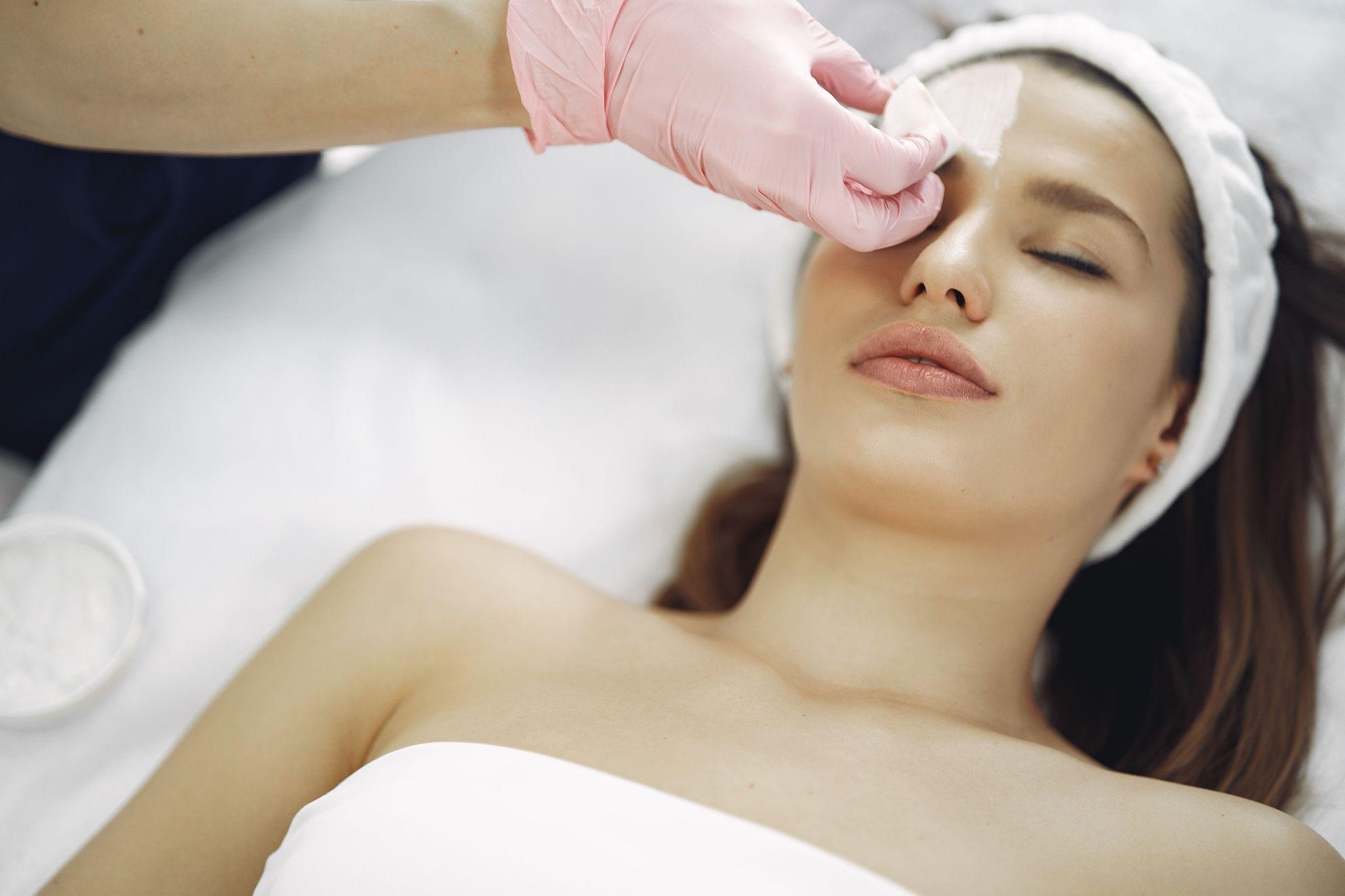
Typically, the skin is prepared and cleansed before the chemical
solution is carefully applied.
You may experience sensations such as warmth or tingling during
treatment. The solution may then be removed or neutralised according to
the particular peel being used.
After treatment, the skin can sometimes appear red or feel more
sensitive.
Some chemical peels may produce visible flaking or peeling in the
following days, while others produce little obvious shedding.
Visible peeling is not necessarily an indication of how successful a
treatment has been.
What
Should You Expect After a Chemical Peel?
Aftercare is extremely important, especially when treating
pigmentation.
Freshly treated skin may be more sensitive to environmental exposure.
Your practitioner should provide instructions based on the treatment you
received.
One of the most important considerations is sun
protection.
UV exposure can contribute to pigmentation and potentially make
existing dark spots more noticeable. Consistent use of an appropriate
broad-spectrum SPF should therefore form part of your skincare
routine.
You may also need to temporarily avoid certain active skincare
ingredients, exfoliating products and additional treatments while your
skin recovers.
Never pull or pick peeling skin. Allow it to shed naturally.
Can Dark
Spots Come Back After a Chemical Peel?
A chemical peel may improve existing pigmentation, but it cannot
prevent every future dark spot.
If the underlying trigger continues, new pigmentation can
develop.
For example, someone prone to post-acne pigmentation may develop new
marks when new breakouts occur. Similarly, continued unprotected sun
exposure can contribute to further uneven pigmentation.
This is why treating dark spots often requires more than one
professional treatment.
A longer-term approach may include appropriate professional
treatments, daily sun protection and a skincare routine selected for
your individual skin.
id=”chemical-peel-vs-skincare-products-for-dark-spots”>Chemical
Peel vs Skincare Products for Dark Spots
Professional chemical peels and home skincare do not necessarily need
to compete with each other.
A suitable home routine can support the results of professional
treatments.
Depending on your skin, a professional may recommend products
containing ingredients commonly used when addressing uneven
pigmentation.
However, combining multiple strong exfoliating or active products
without professional guidance can irritate the skin.
More aggressive skincare isn’t always better.
When pigmentation is the concern, preventing unnecessary inflammation
is particularly important because irritation itself can sometimes
contribute to further discolouration.
How Long Does It
Take to See Results?
Pigmentation usually takes time to improve.
You may notice that your skin appears brighter or smoother following
treatment, but darker areas may fade more gradually.
The timeline depends on the cause and depth of the pigmentation and
your individual response to treatment.
For this reason, be cautious about treatments promising to completely
eliminate dark spots after a single appointment.
A gradual improvement achieved through an appropriate treatment plan
is generally a more realistic expectation.
Is a
Chemical Peel Right for Your Dark Spots?
A chemical peel may be worth considering if you are concerned about
superficial dark spots, post-inflammatory hyperpigmentation or
uneven-looking skin tone.
However, suitability should ideally be determined after your skin has
been assessed.
Not every dark mark is the same, and not every form of pigmentation
should be treated identically.
Your current skincare products, previous reactions, medications, skin
sensitivity and treatment history may also affect whether a chemical
peel is appropriate.
Professional consultation allows these factors to be considered
before treatment begins.
Book a
Chemical Peel Consultation at Rọ̀ra Clinic
If dark spots or uneven pigmentation are affecting the appearance of
your skin, a professional assessment can help you understand your
treatment options.
At Rọ̀ra Clinic, your skin concerns can be assessed
before an appropriate treatment approach is recommended. Rather than
choosing a chemical peel based solely on trends or strength, treatment
can be considered according to your individual skin needs and goals.
Book an
appointment with Rọ̀ra Clinic to discuss chemical peels
and suitable skincare treatments.
You can also visit Rọ̀ra
Clinic to explore available treatments and learn more
about the clinic.